The UN’s latest Adaptation Gap Report warns that annual climate adaptation finance flows are dramatically insufficient, falling far short of the $305 billion yearly requirement for developing nations. If current trends continue, the shortfall could undermine global climate goals and exacerbate vulnerability for the most at‑risk communities.
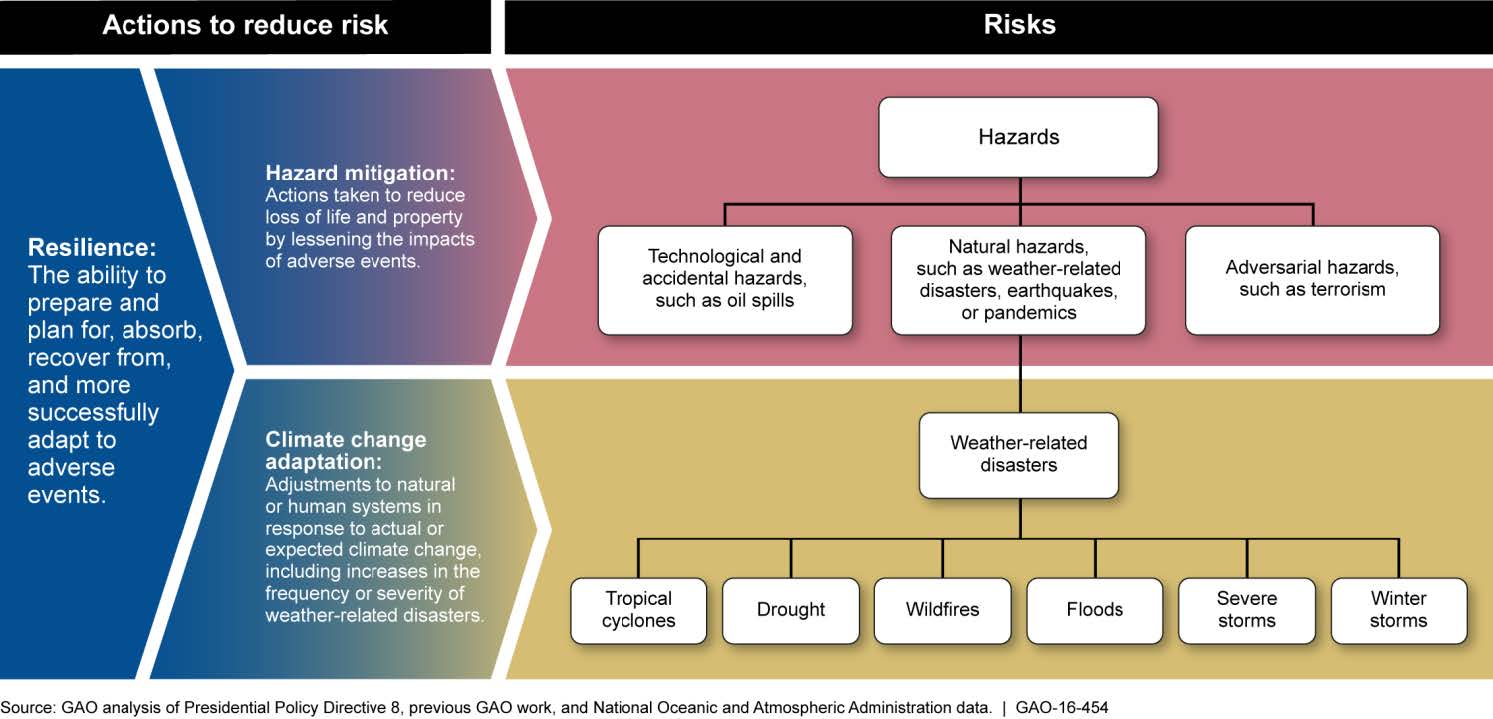
Photo: U.S. Government Accountability Office from Washington, DC, United States (Public domain) / Wikimedia Commons
Data & Operational Breakdown
| Year | Required Finance (US$ bn) | Actual Public Finance (US$ bn) | Gap (US$ bn) | % of Need Met |
|---|---|---|---|---|
| 2024 | 305 | 100 | 205 | 33% |
| 2035 (target) | 305 | 150 | 155 | 49% |
The 2024 figures come from the UNEP 2026 Adaptation Gap Report, which estimates that developing countries need roughly $305 billion each year to close the adaptation gap. Actual public finance flows from donor nations and multilateral institutions totaled about $100 billion in 2024, leaving a $205 billion shortfall. Projections for 2035 suggest that even with aggressive pledges, actual flows would need to rise to $150 billion to reach a 49 % fulfillment rate, still well short of the 100 % target. These numbers underscore the scale of the financing challenge and the urgency of closing the gap before the 2035 deadline.
Background & Strategic Context
The Adaptation Gap Report was launched at COP31 in Antalya, Turkey, as part of a broader effort to align adaptation financing with the Sustainable Development Goals (SDGs). Its authors emphasize that effective adaptation requires not only money but also coordinated planning, robust monitoring, and genuine community participation. The report highlights that current financing mechanisms — such as the Green Climate Fund and bilateral aid — are fragmented, often delayed, and lack transparency. Moreover, the report points out that the $305 billion annual need is a conservative estimate; many vulnerable regions require additional resources for nature‑based solutions, early‑warning systems, and resilient infrastructure.
Competing Perspectives & Risks
Supporters of increased adaptation finance argue that without it, climate‑related losses will outpace mitigation efforts, especially in low‑income regions that contribute little to global emissions. Critics, however, caution that diverting funds from mitigation could jeopardize the 1.5 °C pathway, and that poorly designed projects may lead to “greenwashing” or misallocation of resources. Additional risks include donor fatigue, political shifts that reduce aid, and the challenge of measuring impact in a way that satisfies both funders and beneficiaries. Balancing these viewpoints is essential for building a financing architecture that is both ambitious and accountable.
What to Watch Next
Key developments to monitor over the next year include the forthcoming COP32 conference, where a new global finance target is expected to be negotiated, and the UN’s Global Stocktake, which will assess progress toward the 2030 and 2035 adaptation finance goals. Additionally, the World Bank’s upcoming $30 billion carbon market operation in Ecuador and the expansion of the Climate Investment Funds (CIF) will test whether innovative financing models can deliver the scale needed. Stakeholders should also track the implementation of the UNFCCC’s “Early Warnings for All” initiative, which aims to strengthen resilience through better data and early alert systems.
Sources & Intelligence References
- https://www.un.org/en/desa/climate-adaptation-and-sustainable-development-benefit-new-expert-report-shows
- https://www.unep.org/en/news-and-stories/press-release/world-heads-overshoot-15degc-adaptation-too-slow
- https://www.unfccc.int/news/cop31-businesses-governments-investors-cities-and-initiatives-rally-behind-electrification
- https://www.latamchronicle.com/economy/world-bank-approves-landmark-30-million-dollar-carbon-market-operation-for-ecuador-under-paris-agreement
- https://unfccc.int/news/un-climate-chief-at-cop31-today-climate-finance-must-help-countries-break-free
- https://www.euronews.com/2026/11/20/are-we-making-progress-on-climate-action-23-encouraging-signs-from-cop31
- https://sg.finance.yahoo.com/news/uk-norway-canada-launch-10-132856229.html
- https://www.un.org/en/climatechange/reports
- https://www.lse.ac.uk/granthaminstitute/publication/building-for-a-21st-century-climate-fostering-resilience-through-better-regulation/